Creating a strong sales funnel is essential for any business that aims to increase its revenue and streamline its sales process. In this blog post about building an effective sales funnel, we'll explore practical steps and tools that can help you attract, engage, and convert potential customers into loyal clients. By linking this topic to your overall sales strategy development, you will learn how to align your marketing efforts with your business goals, ensuring that every stage of the funnel effectively nurtures prospects and drives conversions.
Understanding the intricacies of the sales funnel is the first step towards developing a robust sales strategy. We'll guide you through the key components of a successful funnel, highlighting why it is crucial to approach each stage with tailored tactics. Additionally, we will provide you with actionable insights on designing your sales funnel and share essential tools that can streamline your processes. With this knowledge, you'll be equipped to boost your sales strategy and achieve sustainable growth for your business.
Understanding the sales funnel: A crucial step in your sales strategy development
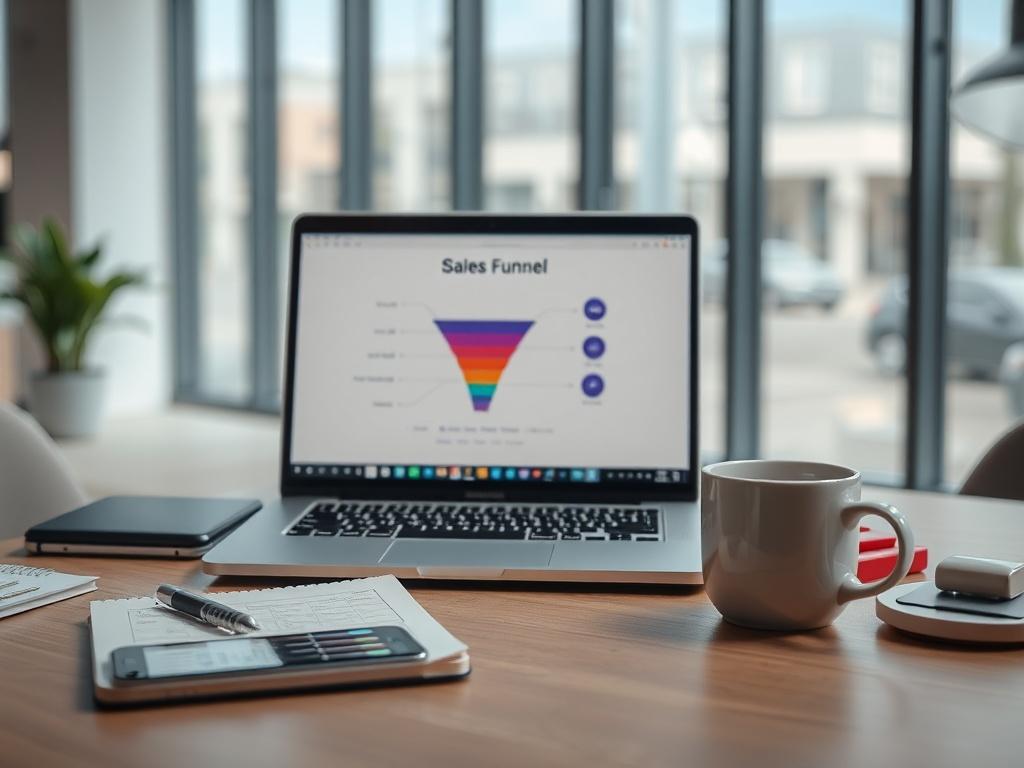
A sales funnel serves as a visual representation of the customer's journey from awareness to purchase. It outlines various stages that potential customers pass through, including awareness, interest, decision, and action. Understanding this journey is crucial for crafting tailored marketing strategies and improving customer engagement. Recognizing how potential buyers move through the funnel allows businesses to identify where they may lose prospects and implement targeted actions to guide them toward conversion. By focusing on each stage of the funnel, companies can optimize their approach and increase the likelihood of turning leads into loyal customers.
The effectiveness of your sales funnel directly impacts your sales strategy development. When you grasp how customers navigate through awareness and consideration stages, you can create content and campaigns that resonate with their needs and concerns. This understanding allows you to build trust and provide value, ultimately influencing their decision-making process. Moreover, a well-defined sales funnel helps in allocating resources efficiently, ensuring that your marketing efforts align with customer behavior. With insights gained from analyzing your sales funnel, you can refine your overall sales strategy and drive sustainable growth for your business.
Practical steps to design an effective sales funnel that drives conversions
Designing an effective sales funnel requires a clear understanding of your target audience and their unique needs. Begin by mapping out the customer journey, which typically involves four stages: awareness, consideration, decision, and retention. At each stage, craft tailored messaging and offerings that resonate with your customers. For instance, in the awareness phase, you might use blog posts and social media content to educate potential buyers about your products or services. As they progress to the consideration stage, offer in-depth resources, such as webinars or case studies, to help them evaluate their options. This strategic alignment between the customer's journey and your content ensures that you nurture leads effectively toward conversion.
Once you understand the customer journey, implement techniques to optimize the funnel's performance. Use analytics tools to track user behavior and conversion rates at each stage of the funnel. By analyzing this data, you can identify bottlenecks and areas for improvement. For instance, if you notice a drop-off in the decision stage, consider refining your calls to action (CTAs) or offering additional incentives like discounts or free trials. A/B testing also plays a crucial role here; experiment with different landing pages, email formats, or promotional strategies to determine which approaches yield the highest conversion rates. By continuously iterating on these practical steps, you’ll create a robust sales funnel that not only attracts leads but also drives them toward making a purchase.
Essential tools to enhance your sales funnel and boost your sales strategy
To build a robust sales funnel, leveraging the right tools can significantly streamline your processes and improve efficiency. Customer Relationship Management (CRM) software, such as HubSpot or Salesforce, allows you to track leads, manage customer interactions, and analyze data to enhance decision-making. By integrating your CRM with marketing automation tools, you can nurture leads through personalized email campaigns, ensuring that potential customers receive timely and relevant information. This targeted approach not only keeps your audience engaged but also guides them smoothly through the various stages of your sales funnel.
Additionally, analytics platforms like Google Analytics or SEMrush provide invaluable insights into user behavior and campaign performance. By monitoring key metrics and understanding where your leads drop off, you can identify areas for improvement within your funnel. A/B testing tools allow you to experiment with landing pages and messaging, enabling you to fine-tune your approach based on actual customer responses. By employing these essential tools, you not only enhance your sales funnel but also strengthen your overall sales strategy, leading to higher conversion rates and growth in revenue.